
Supporting guidance for Cropped Machair
Date published: 14 July, 2026
Machair is one of the rarest habitats in Europe, found only in the north and west of Britain and Ireland.
Most of the Scottish machair occurs in the Hebrides, with the best and most extensive areas in the Uists, Barra and Tiree.
Machair land has unique sandy soils with a high shell content.
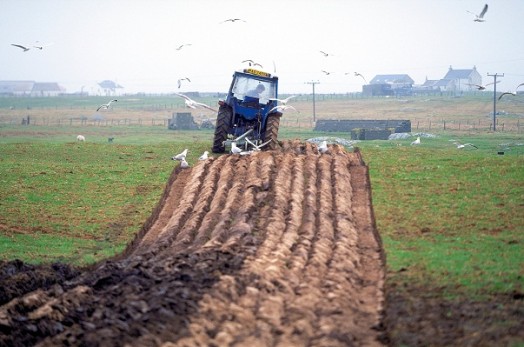
Credit: Ian White – © NatureScot
Traditional cropping on these soils offers a valuable habitat for a variety of wildlife, particularly birds and insects.
The combination of traditional cropping and fallow rotation benefits the annual flowers which rely on the production of a seedbed.
The absence of under-sown grass or reseeding allows all of the flowers in the soil’s seed bank to develop during the fallow period without competition.
The wide variety of plants flowering within the crop during the fallow periods provides pollen and nectar for species such as the rare great yellow bumblebee.
The weed seeds and grain support the corn bunting and many other seed-eating birds.
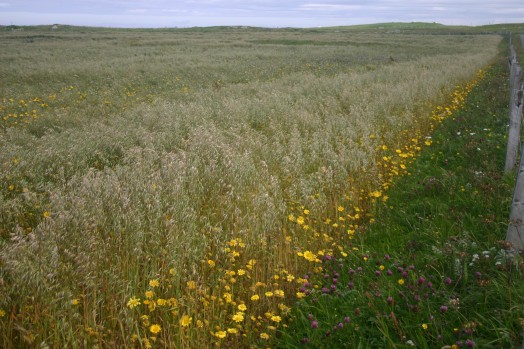
Cropped machair – Credit: Jamie Boyle
How to increase the success of this option
There are cereal varieties indigenous to machair cropping. These are ideally suited to the sandy machair soils and can be grown with low agricultural inputs. These indigenous cereals are culturally valuable and they hold a genetic diversity that may be useful for future crop breeding.
Keep some of the crop to be threshed for next year’s seed to maintain this valuable resource and support the small remaining network of threshing mills.
Use of seaweed and shallow ploughing (ploughing to a depth of less than 15 centimetres – or six inches) to help maintain organic matter levels and soil structure.
Farmyard manure and slow-release phosphates can also boost yields on the light sandy soil but high nitrogen inorganic fertilisers are unlikely to be beneficial or cost effective.
They may promote more aggressive species and reduce the variety of plants growing in the crop.
Cut the crop as late as possible after the 1 September to provide cover for corncrakes and to allow the later-flowering plants to set seed. Where corncrakes are present the crop must be cut in a wildlife-friendly manner.
Emergency provision for early securing of crops on AECS managed cropped machair where geese damage is imminent.
It is recognised that in periods where the goose population is high, there is a potential for unacceptable loss of crop from the managed machair areas in adhering to the published scheme option prescription, “do not harvest the crop before 1 September”.
Local RPID and NatureScot staff will monitor the situation on the ground with regard to goose numbers and potential for unacceptable loss along with intelligence received from scheme participant contract holders and the local goose group.
Please email your Local RPID office at SGRPID.benbecula@gov.scot or phone 0300 244 9600 if you are an AECS contract holder and wish to report imminent damage by geese.
Where the situation warrants, local RPID and NatureScot staff will authorise AECS contract holders with the cropped machair option in their contracts for that given scheme year, emergency permission to secure the crop from imminent goose damage earlier than the option prescription date.
Local RPID staff will notify all affected contract holders of the activation of the emergency provision - if it is considered absolutely necessary for that particular scheme year.
Under the emergency provision you will be authorised to secure the crop from the 16 August (2 weeks earlier than scheme prescription). Every effort should be made to leave the crop in place as long as is possible.
The emergency provision will apply for that particular scheme year only.
What you must do if securing crops under emergency provision.
- Recognise that the emergency provision only extends to the cropped machair option for that year, it has no bearing on any other options in your contract
- Survey the site for active nests/broods and leave cutting any site with an active nest or brood until last to help enable the birds to vacate the site as operations commence in adjacent areas.
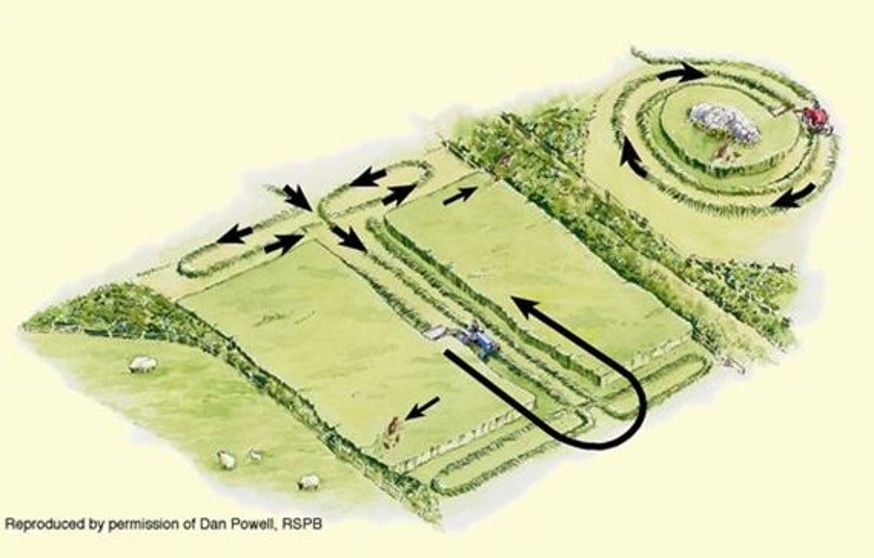
- Cut the crop in a bird friendly manner as depicted below
- Record the cutting dates in your management diary with reference to issued emergency provision activation for that scheme year.
Further information
Where machair land has not been cropped for a long time Environmental Impact Assessment (EIA) regulations may apply.
Contact your local NatureScot office or Rural Payments and Inspections Division office for more information.